


Hair is more than strands. It’s identity, culture, expression — especially for women who style, braid, press, twist, and protect their crowns with intention.
Alopecia simply means hair loss, but not all hair loss is the same. Some forms are genetic. Some are medical. And some — especially in textured hair communities — are preventable.
Let’s walk through it calmly, clearly, and without fear.
1. Hairstyles That Can Lead to Traction Alopecia
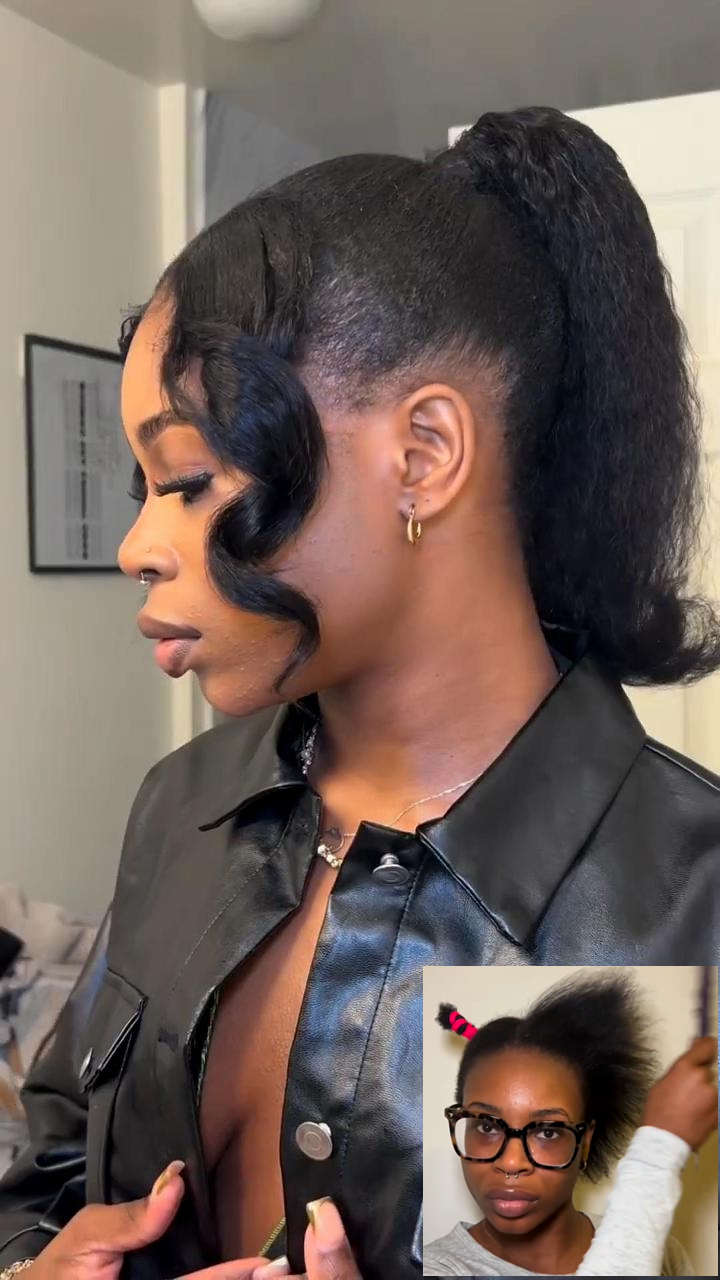
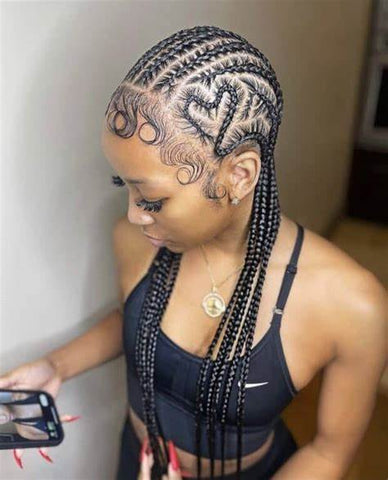
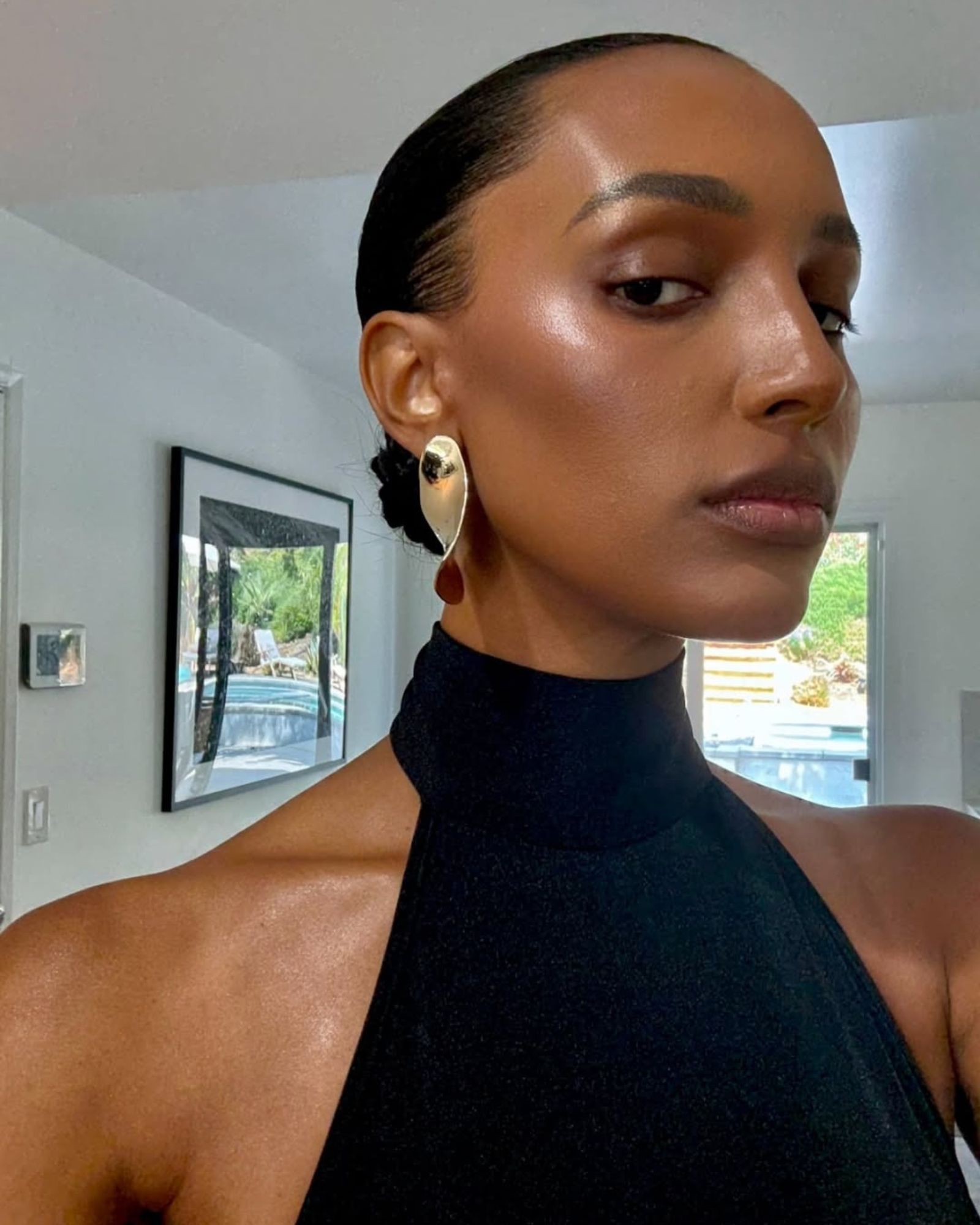
Traction alopecia happens when hair is pulled too tightly for too long. The tension weakens the follicle over time, especially along the edges and temples.
Common culprits include:
-
Very tight ponytails worn daily
-
Heavy or long box braids installed with excessive tension
-
Sew-ins with tight perimeter braiding
-
Slicked-back buns with hard gels
-
Cornrows braided too firmly at the hairline
It’s not about banning protective styles. It’s about installation technique, weight, and rest periods. Hair can thrive in braids — but not under constant strain.
2. Early Signs of Alopecia
Your scalp whispers before it screams.
Watch for:
-
Tingling or soreness after styling
-
Small bumps along the hairline
-
Thinning edges or widening parts
-
Increased shedding in one specific area
-
Short, broken hairs around the temples
If you catch traction alopecia early, it can often be reversed. If ignored for years, scarring can occur — and scarring alopecia may become permanent.
Early awareness is everything.
3. How to Protect Your Edges from Thinning
Your edges are delicate. They require intention.
Here’s how to protect them:
-
Ask for low-tension installations
-
Leave baby hairs out during braiding
-
Avoid daily tight ponytails
-
Rotate styles — don’t repeat high-tension looks back-to-back
-
Sleep on silk or satin pillowcases
-
Gently massage edges to stimulate circulation
Also: listen to discomfort. Pain is not beauty. If it hurts, it’s too tight.
Healthy hairlines are built with consistency, not force.
4. Products That Help with Hair Loss Recovery


Recovery depends on the cause, but certain ingredients are widely used in regrowth support:
-
Minoxidil (2% or 5%) – Clinically studied to stimulate follicles
-
Rosemary oil – May improve circulation when diluted properly
-
Biotin & collagen supplements – Support overall hair structure
-
Peptide-based scalp serums – Encourage follicle strength
Important: Products work best when follicles are still alive. If the area is shiny and smooth with no visible pores, medical evaluation is needed.
Consistency matters more than hype.
5. When to See a Professional About Hairline Thinning
Do not wait until the hairline has significantly receded.
Consult a professional if:
-
Thinning progresses despite reducing tension
-
You notice patchy or circular bald spots
-
There is itching, burning, or scaling
-
Hair loss is sudden or excessive
A board-certified dermatologist or licensed trichologist can determine whether it’s traction alopecia, androgenetic alopecia, alopecia areata, or another scalp condition.
Early intervention preserves options.
Final Thoughts
Hair loss is not a moral failure. It is not punishment. It is biology, tension, stress, hormones, and sometimes genetics interacting with time.
The good news? Many forms — especially traction-related thinning — are preventable and even reversible when handled early and gently.
Treat your scalp like living tissue, not just styling space.
Your edges deserve softness.


